Primary Sector · Anosy Region

Farming & Livestock

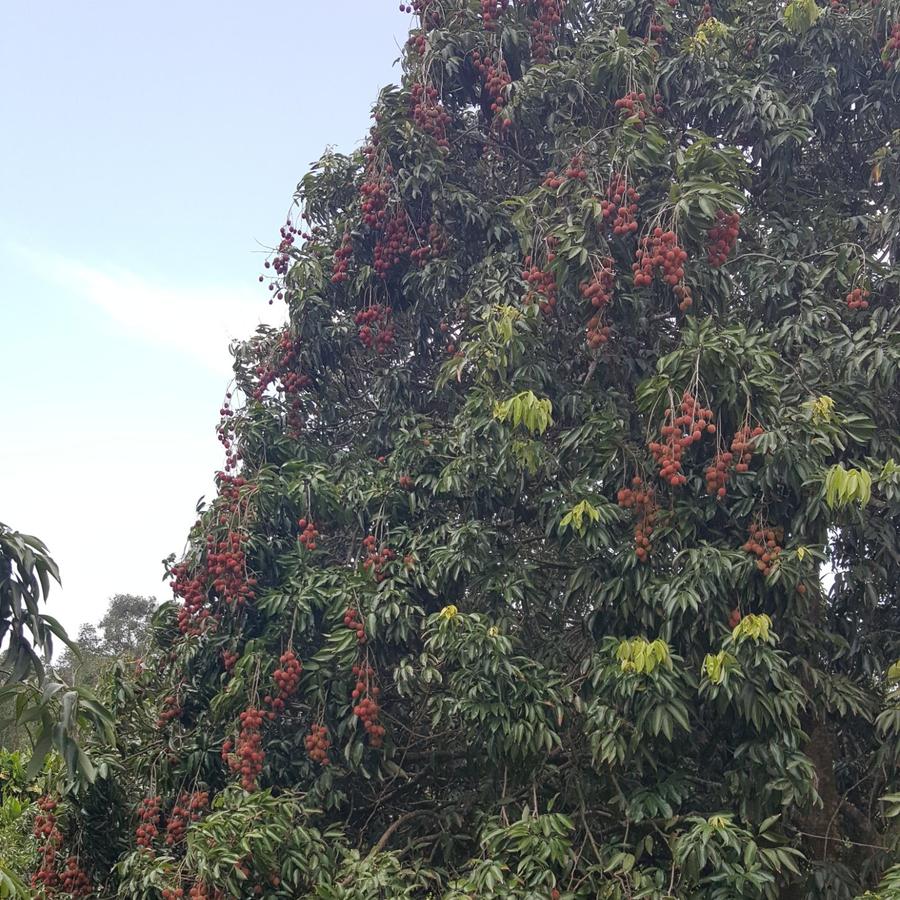
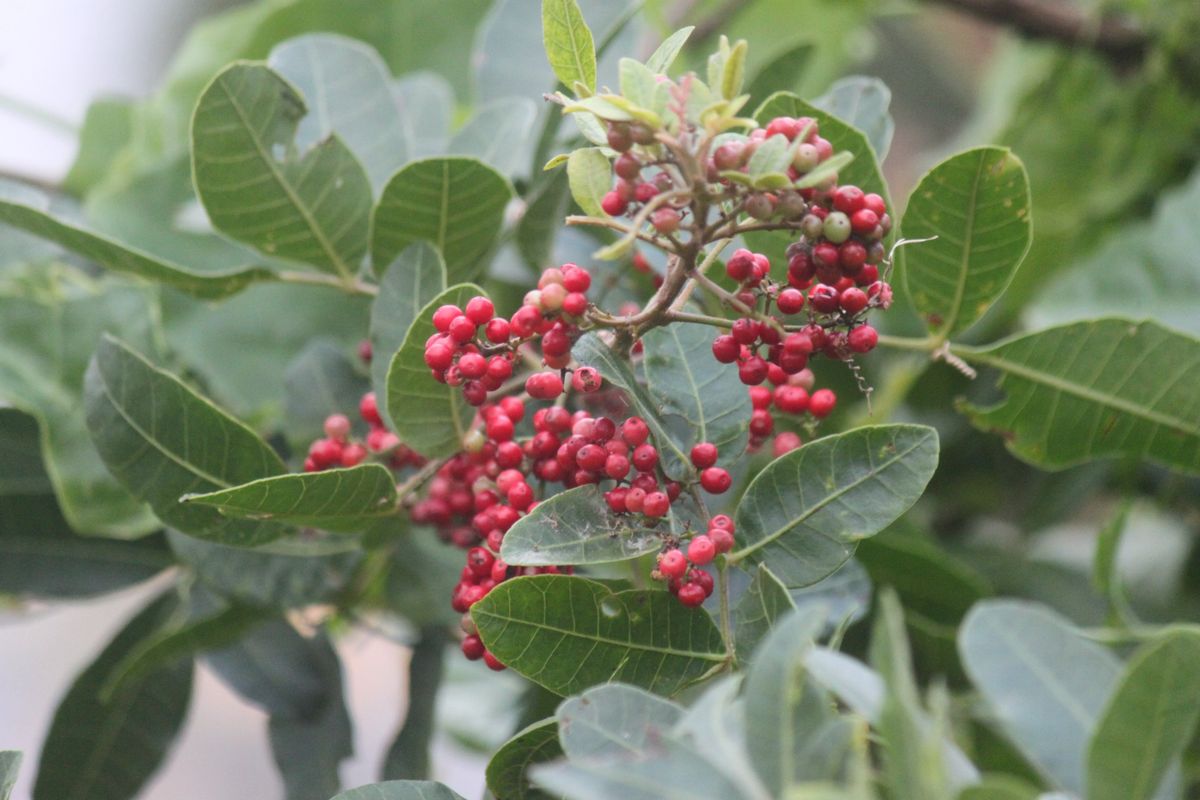
Anosy, the “rice granary of the south” (FEWS NET), combines Mandrare rice fields, historic Amboasary-Sud sisal, cash crops along the RN12A (vanilla, lychee, pink peppercorn) and the large Betroka cattle herd — a vital sector that employs more than 80% of Malagasy households according to INSTAT.

71 500 t rice / year (Anosy)
~250,000 zebus
7 value chains analysed
17 600 t sisal / year in Madagascar
Context of Anosy's farming sector

The granary of the Deep South
between potential and resilience

Farming & livestock in Madagascar

According to INSTAT (RGPH-3 Theme 16, 2022), Madagascar has 5.06 million farming households, or 83.2% of all households in the country. The primary sector accounts for a major share of GDP and the overwhelming majority of rural jobs. The national strategic framework is set by MINAE's National Rice Development Strategy III (SNDR III), which aims to double national paddy output by 2030. The main partners are IFAD (AD2M-II and DEFIS programmes), WFP (CSP 2024-2028), the World Bank (PIC project) and FAO.

Source: INSTAT RGPH-3 (2022) · MINAE SNDR III (2022) · IFAD COSOP 2022-2027 · WFP CSP 2024-2028

Position of the Anosy Region

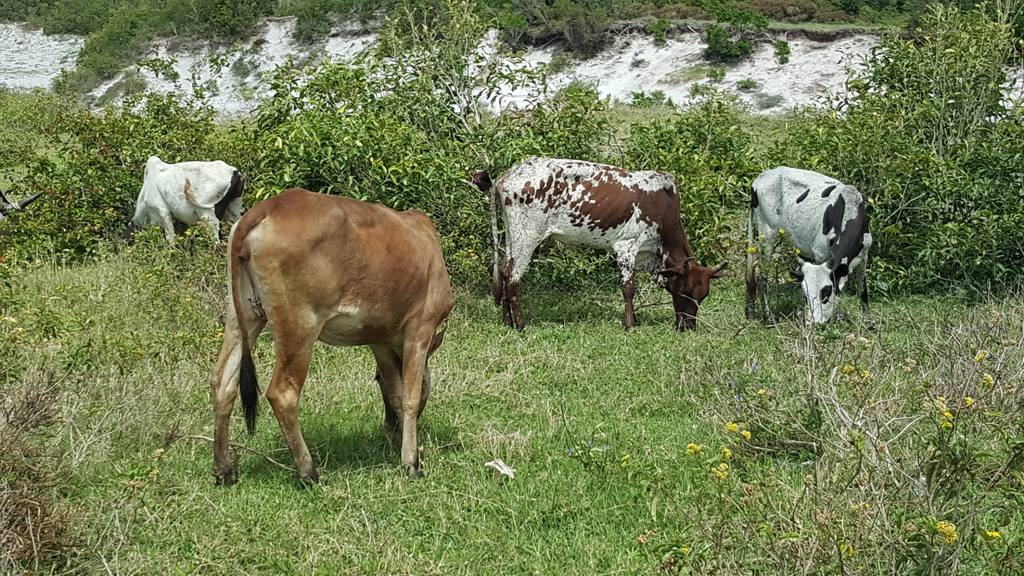
FEWS NET calls the Anosy Region Madagascar's “rice granary of the south” — rice output per person is more than double that of the neighbouring Androy Region. Its contrasting climate (humid in the east, semi-arid in the west) allows great diversity: rice, cassava, maize, sweet potato as food crops; sisal, vanilla, lychee, pink peppercorn, coffee, cloves as cash crops. Anosy is also the only significant sisal-producing region in Madagascar (INSTAT Monograph). On the livestock side, the regional herd is about 250,000 zebus, most of them in Betroka district (Anosy Region / AllAfrica 2021).

Source: FEWS NET (livelihood zones) · Anosy Region · INSTAT Anosy Monograph · AllAfrica 2021

71 500 t
Rice / year (Anosy)
Anosy Region
83 500 t
Cassava / year
Anosy Region
17 600 t
Sisal / year in Madagascar (4th in the world)
L'Express de Madagascar, 2025
~250 000
Zebus (mostly in Betroka)
Anosy Region · AllAfrica 2021
83,2 %
Farming households in Madagascar
INSTAT RGPH-3 2022
~1.8 M
People in IPC 3+ in the Deep South (Dec. 2025)
IPC / ReliefWeb 2025
Analysis by value chain

7 value chains shaping
farming and livestock in Anosy

From Mandrare rice to Amboasary-Sud sisal, from Betroka zebus to Mahatalaky vanilla — each value chain rests on verifiable data and official sources, all cited.

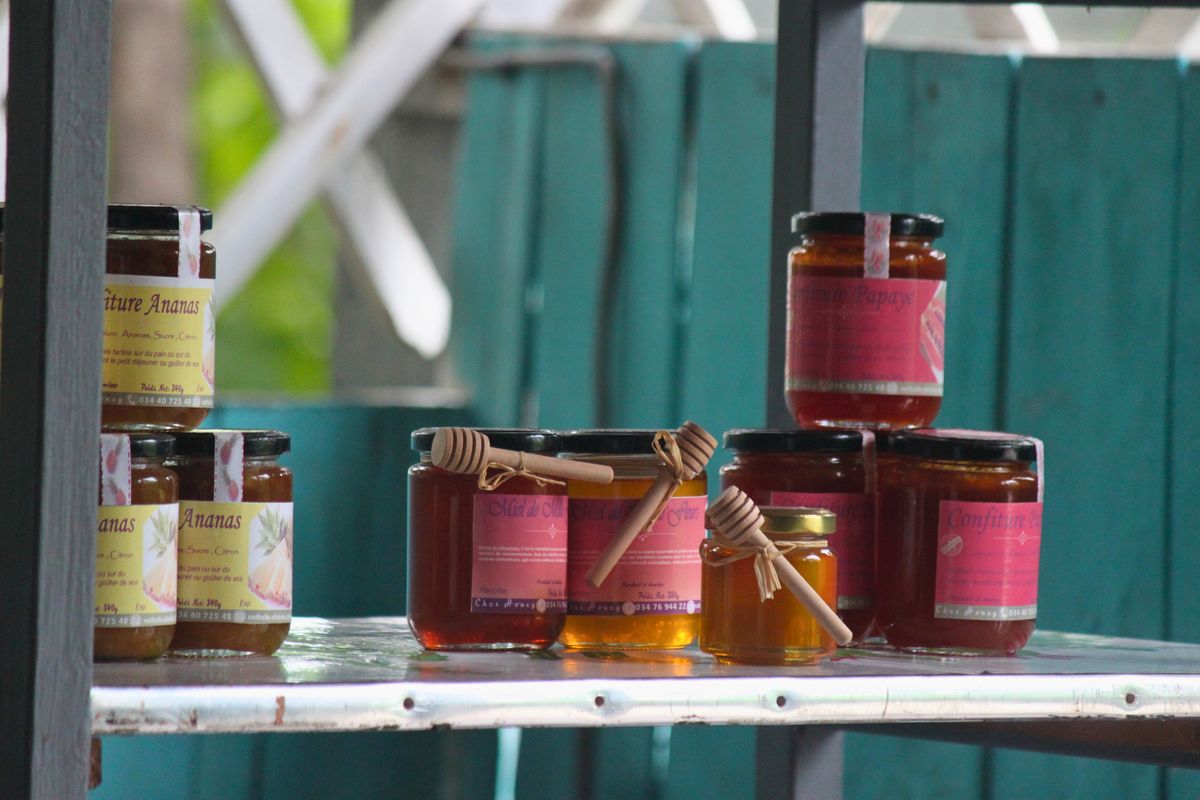
Jars of honey and jam made in Fort-Dauphin
Emerging value chain
Mahatalaky · forest
Beekeeping Rainforest RN12A route

Beekeeping — Anosy Honey

Beekeeping is emerging as a high-value sector in the forested areas of north-eastern Anosy. The Salvaterra/PIC 2021 study listed honey among the five priority value chains on the RN12A.

Anosy honey benefits from exceptional floral biodiversity (coastal forests of Mahatalaky, lychee orchards of Manantenina, endemic species) that gives it a distinctive aromatic profile. On European markets, Malagasy honey can fetch €30 to €60 a kilo once exported. MINAE (2022 report) recorded the setting up of a pilot honey plant under the national strategy. The sector remains mostly artisanal, organised around small beekeepers and cooperatives supported by UNDP (JIRBooklet Anosy 2023) and IFAD-DEFIS programmes. The potential for certified exports (single-flower, organic honey) is significant.

~42 t honey / year (est.)
€30–60 /kg exported to the EU
Organic certification potential
RN12A production route
  • Flora: coastal forests, lychee orchards, endemic species
  • Market: €30–60/kg on export markets (miel-factory, EU operators)
  • Support: UNDP JIRBooklet Anosy 2023, IFAD-DEFIS, MINAE honey plant
  • Source: Salvaterra/PIC 2021 · UNDP 2023 · MINAE 2022
Mapping by value chain

Leading communes
by farming & livestock value chain

Select a value chain to see the communes with the highest output in the Anosy Region — Lower Mandrare rice, Amboasary-Sud sisal, Betroka zebus, vanilla & lychee on the RN12A. Data from official sources (Anosy Region, FEWS NET, Salvaterra/PIC, HAH Group, AllAfrica, UNDP).

Major basin Secondary basin Emerging basin
Governance & partners

Institutional framework
Farming & livestock players

The Anosy farming and livestock sector sits within a structured institutional framework that links national policy, international programmes and regional players. All the links below point to official documents.

MINAE — National supervising ministry

The Ministry of Agriculture and Livestock (MINAE) sets national policy for the primary sector. Its National Rice Development Strategy III (SNDR III, 2022) aims to raise output from 4.03 Mt to 6 Mt of paddy by 2030. The 2022 MINAE report documents progress by region, including Anosy (cattle-raising and beekeeping modules).

IFAD — AD2M-II & DEFIS

The International Fund for Agricultural Development (IFAD) funds several flagship programmes in Madagascar through its 2022-2027 COSOP: AD2M-II (support for the development of Menabe and Melaky, extension), DEFIS (inclusive value chain development in the South), PROCASEF (land tenure security). These programmes are directly involved in rehabilitating Anosy's irrigation schemes.

This page summarises official sources as at the date of publication. For any actual procedure (grant, programme), refer to the texts in force published on minae.gov.mg and capfida.org.

Socio-economic spin-offs & resilience

Structuring commitments
for food security

Employment & rural economy

  • Farming households in Madagascar (INSTAT 2022) 83.2%
  • AD2M-II / DEFIS Anosy beneficiaries Active programmes
  • Lychee growers (GEL Anosy value chain) Thousand(s)
  • Village beekeepers on the RN12A route Growing

Irrigation & land

  • AD2M schemes rehabilitated (Lower Mandrare) Successive phases
  • Land tenure security (PROCASEF / IFAD) In progress
  • SNDR III national paddy target 2030 6 Mt
  • Potential rice capacity in Anosy 150 000 t
  • Potential cassava capacity in Anosy 200 000 t

Resilience & food security

  • WFP Madagascar Strategic Plan 2024-2028 In progress
  • Resistant cassava varieties (FAO/IFAD) Dissemination
  • People in IPC 3+ in the Deep South (Dec. 2025) ~1.8 M
  • People in IPC Phase 4 (emergency) 71,000
  • WFP humanitarian aid (ongoing) Active

Exports & added value

  • Madagascar lychee — EU market share (Christmas) Near-monopoly
  • Sisal — national output / year 17 600 t
  • Madagascar honey — EU export price €30–60/kg
  • Anosy vanilla — development 2017–2023
  • Export outlet — Port of Ehoala Direct

Main sources: Anosy Region · MINAE · IFAD Madagascar · WFP Madagascar · INSTAT · IPC · HAH Group

A balanced reading of the sector

Challenges & points to watch
for an honest analysis

This analysis weighs the sector's challenges alongside its strengths. Data from official sources (IPC, ReliefWeb, FAO, WFP) and independent publications.

Kere & food insecurity

  • Recurrent kere (famine) episodes in the Deep South since 2016
  • IPC Phase 3+: ~1.8 M people Deep South/South-East (Dec. 2025)
  • 71,000 people in IPC Phase 4 (emergency) at the same date
  • Anosy is one of the areas under permanent watch (WFP CSP 2024-2028)

Source: IPC Madagascar · ReliefWeb Dec. 2025 · WFP

Drought & climate

  • Western Anosy (Betroka, Amboasary) is a semi-arid zone
  • Increasingly erratic rainfall — prolonged droughts in 2020-2022 documented
  • Tropical cyclones affecting the east coast (Tôlanaro, Mahatalaky)
  • Greater need for irrigation, resilient seeds and agro-ecology

Source: FEWS NET · FAO/WFP crop assessment mission

Market access & logistics

  • RN13 Tôlanaro-Ihosy and RN12A being rehabilitated
  • Isolation of Betroka and the Upper Mandrare communes
  • Large post-harvest losses (storage, transport)
  • Strength: the Port of Ehoala for exports (lychee, sisal, vanilla)

Source: Salvaterra/PIC 2021 · Anosy Region · MTP

Livestock: dahalo & veterinary care

  • Dahalo (cattle theft) — a major security issue in the Upper Mandrare
  • Poor coverage by local veterinary services
  • Pastures degraded by seasonal overgrazing and bush fires
  • MINAE 2022: improved livestock modules being rolled out

Source: MINAE 2022 report · Anosy Monograph 2014 · AllAfrica

Farming & livestock opportunities

Farming and livestock in Anosy
at your scale

Agro-processing, cash-crop exports, mechanisation, support for cooperatives, input supply, veterinary services — explore the business opportunities linked to the sector that employs most households in Anosy.

Continue exploring
the economy of Anosy